Fashion Mistakes That Can Make Outfits Feel Unbalanced For Women
Creating a stylish outfit is not always about following trends or purchasing more clothing. Often, the difference between a polished appearance and an awkward one comes down to balance. A balanced outfit feels cohesive, intentional, and visually pleasing, while an unbalanced outfit can seem disconnected or overwhelming. For women who want to elevate their personal style, understanding common fashion mistakes can help create more harmonious and confident looks.
One of the most frequent mistakes is trying to include too many statement elements in a single outfit. While bold colors, eye-catching patterns, and distinctive details can add personality, combining several attention-grabbing pieces at once can create visual competition. Instead of complementing each other, the garments may fight for attention, making the overall appearance feel chaotic. Allowing one focal point to stand out often creates a more refined and balanced result.
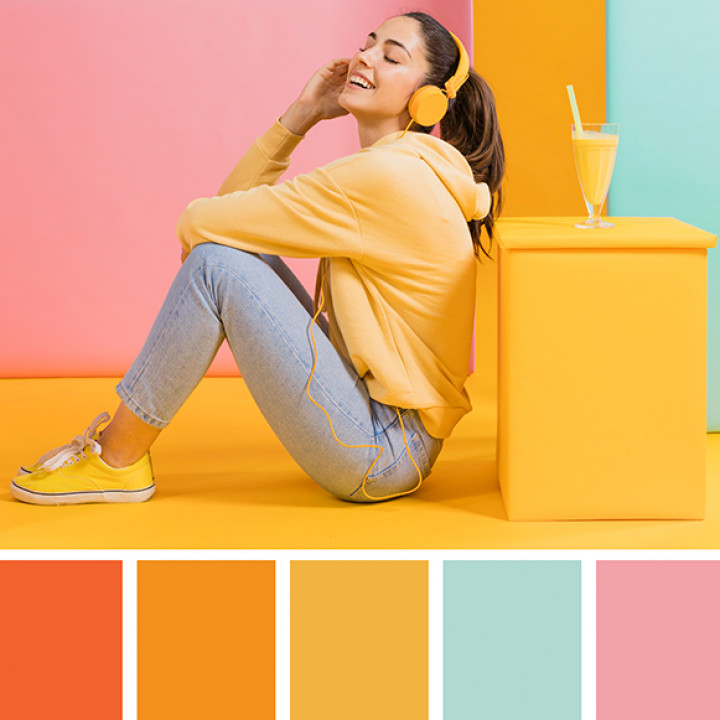
Another common issue is ignoring color harmony. Colors have a significant influence on how an outfit is perceived. When shades clash excessively or lack any sense of coordination, the final look may appear disconnected. This does not mean every outfit must follow strict color rules. Rather, it is about creating combinations that feel intentional and visually comfortable. Thoughtful color choices help establish unity and improve the overall presentation.
Overlooking texture can also lead to imbalance. Different fabrics and finishes contribute depth and character to an outfit. When all garments share identical visual qualities, the appearance may feel flat. On the other hand, combining too many contrasting textures can create unnecessary complexity. The key is finding a balance that introduces interest without overwhelming the overall look. A thoughtful mix of textures often enhances sophistication and visual appeal.
Many women also make the mistake of dressing without considering proportion. Proportion affects how garments interact with one another and how the overall outfit appears. When proportions feel inconsistent, the look can seem awkward or incomplete. Creating visual balance through thoughtful combinations helps establish a more harmonious silhouette. Paying attention to how different garments work together often results in a more polished appearance.
Another factor that contributes to unbalanced outfits is a lack of cohesion. Sometimes individual garments may be attractive on their own but fail to work together as a complete look. A successful outfit should feel connected through color, texture, mood, or overall style direction. When pieces appear unrelated, the outfit may lack a clear identity. Developing a sense of cohesion helps create looks that feel deliberate and well considered.
Ignoring the occasion can also affect balance. Clothing choices should reflect the environment and purpose of the event or activity. An outfit that feels too formal for a relaxed setting or too casual for a refined environment may create visual discomfort. Adapting style choices to suit the occasion while maintaining personal expression helps achieve a more balanced and appropriate appearance.
Another common mistake is relying too heavily on trends. Trends can provide inspiration and introduce fresh ideas, but building an entire outfit around temporary influences can sometimes result in a look that feels forced. Personal style should remain the foundation of any wardrobe. Incorporating trends selectively allows women to maintain authenticity while still enjoying contemporary fashion influences.
Neglecting comfort is another issue that often goes unnoticed. An outfit may look appealing on display, but if it feels uncomfortable, confidence can suffer. Personal comfort contributes significantly to overall presentation. When women feel at ease in their clothing, they naturally appear more relaxed and self-assured. Confidence often enhances style more effectively than any fashion trend ever could.
Repetition without variation can also make outfits feel unbalanced over time. Wearing the same combinations repeatedly may create predictability and reduce excitement within a wardrobe. Introducing new color pairings, experimenting with textures, or exploring different layering techniques can help refresh familiar garments. Small changes often have a significant impact on overall appearance and keep style feeling dynamic.
Another mistake is overlooking personal identity. Fashion should serve as a reflection of individuality rather than a collection of borrowed ideas. When clothing choices do not align with personal preferences, the outfit may appear disconnected from the wearer. Embracing authenticity helps create balance because personal style naturally brings consistency and confidence to every look.
Ultimately, achieving balance in fashion is not about perfection. It is about creating harmony between colors, textures, proportions, and personal expression. Women who understand these principles are better equipped to avoid common mistakes that can make outfits feel disjointed or overwhelming. By focusing on cohesion, comfort, thoughtful styling, and authenticity, it becomes easier to create looks that feel polished, confident, and visually appealing. A balanced outfit does not demand attention through excess; instead, it stands out because every element works together to create a strong and effortless impression.